Psychedelic music emerged sometime in the mid-'60s, when musical tastes and cultural attitudes began to change. It's hard to say exactly when the music took this turn, but the following list of the top 25 psychedelic rock albums highlights an era that began around 1966.
Songs like the Byrds' "Eight Miles High" and the Yardbirds' "Shapes of Things" appeared within a month of each other in early 1966. The following year saw an entire genre shaped by new artists (like Jimi Hendrix) and other artists in both established places (the Beatles) and offbeat places (Brazil's Os Mutations) and in certain areas (the San Francisco scene brought in just a short period of time the Grateful Dead, Jefferson Airplane, Moby Grape, and... many others emerge).
Psychedelic music still exists, but as the '60s turned into the '70s it took on various forms, some of which are still recognizable in popular music today. It's no coincidence that the genre's greatest era fell during rock's golden age. No artist was immune to the music's appeal - but avoid psych records from artists like Neil Sedaka and Jan & Dean. Some people just did it much better, as our list of the Top 25 Psychedelic Rock Albums proves.
25. . The Pretty Things, 'S.F. Mourning' (1968)
Pretty Things' fourth album is often referred to as the first rock opera and marks a turning point. The band – which started out as an R&B band in their native London – tested for a full year before “S.F.” the psychedelic waters. Sorrow' with the single "Defecting Grey". But this LP was a total entry into the genre, complete with early electronic experimentation and a wicked story. The group stayed true to the genre for one more album before branching out into other territories in the '70s.
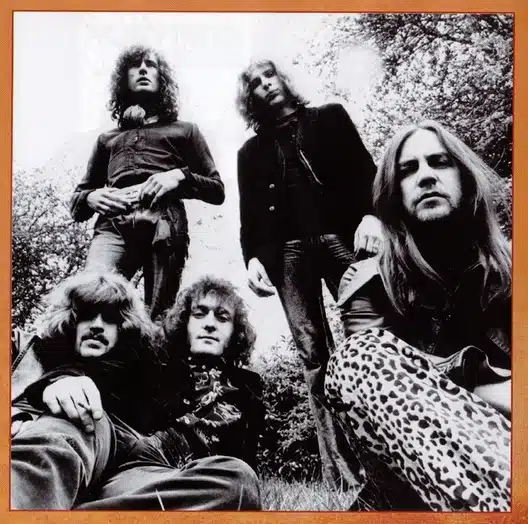
24.Yardbirds, 'Roger the Engineer' (1966)
Like many artists who ventured into psychedelic music, the Yardbirds didn't start there. But they got there before almost everyone else. When Eric Clapton left the blues-based band after it moved more into pop territory, replacement guitarist Jeff Beck opened the doors to some bold new sounds. Their only British studio album still left room for a few blues and pop numbers, but the wild experimentation with tracks like "Hot House of Omagararshid" and "Turn Into Earth" was all about the future.

23. The United States of America, “The United States of America” (1968)
The United States of America only made one album. More than half a century later, it still sounds ahead of its time. The Los Angeles-based collective eschewed traditional instruments in favor of cutting-edge electronic sounds. Coupled with the band's experimental nature and left-wing views, The United States of America is perhaps the most radical record released during the psychedelic era. The fact that they were signed to Columbia and managed to crack the Billboard charts (albeit at number 181, but still...) is a testament to their legacy.
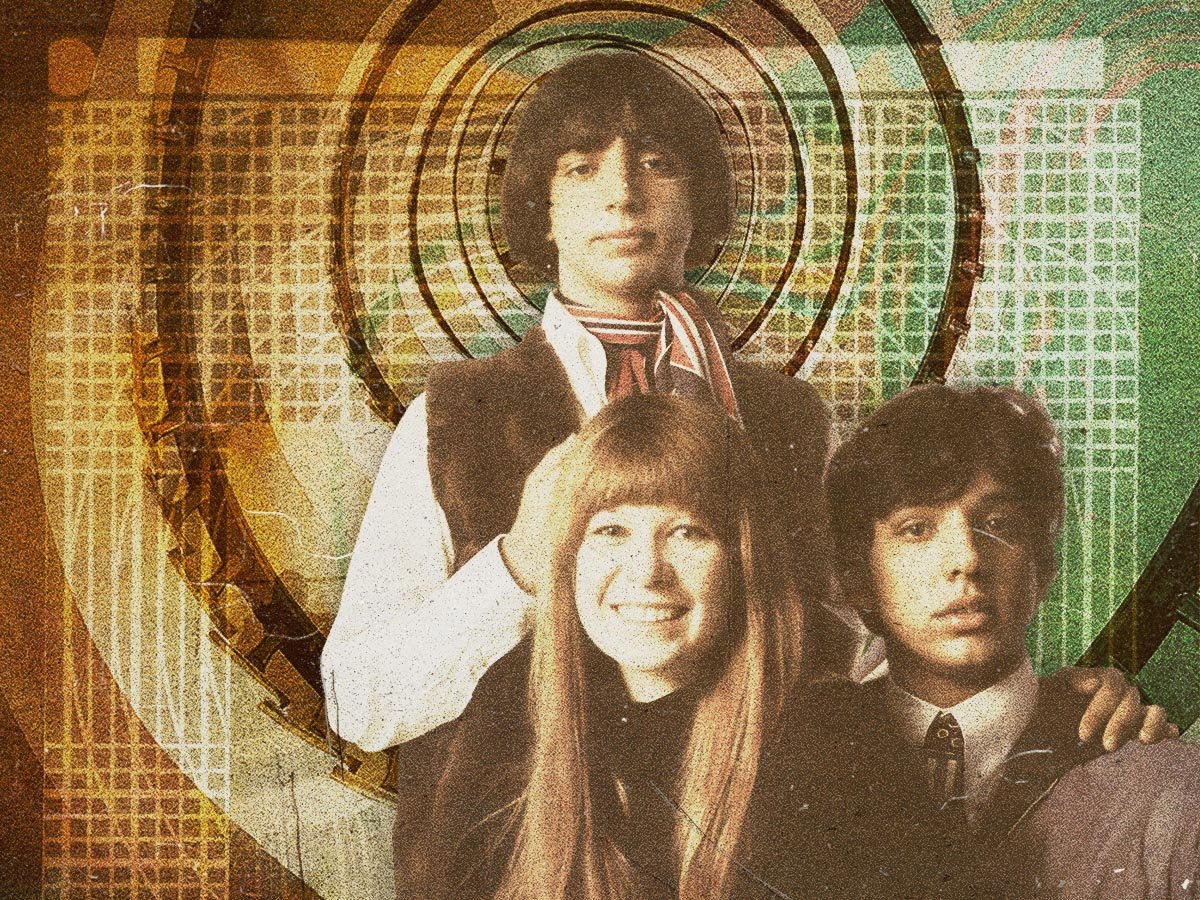
22. Os Mutants, “Os Mutants” (1968)
Psychedelic music soon found its way into parts of the world where popular Western styles had previously had little influence. Os Mutations were part of the Brazilian Tropicalia scene, which combined local and African rhythms with American pop and psychedelia. The result was a forked path that explored exciting new territories and shades in music. Some great records came out of the scene; Os Mutations' self-titled debut contains the most mind-blowing trip of all.
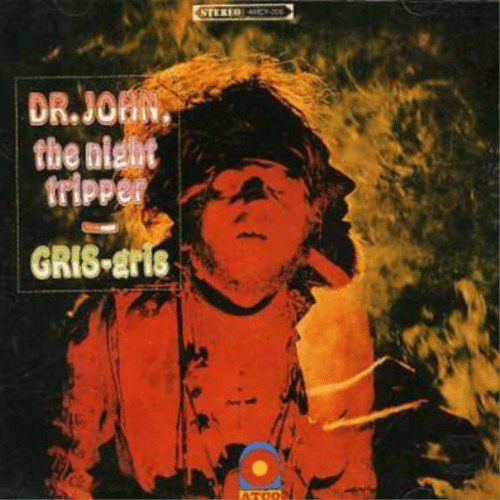
21. Dr. John. 'Gris-Gris' (1968)
Mac Rebennack spent the first part of the '60s as a busy New Orleans session musician. In 1968 he rechristened himself Dr. John, the Night Tripper and released his first album – a spaced-out mix of sludgy R&B, murky swamp rock and head-spinning psychedelia that sounded like nothing else in contemporary music. Voodoo and other local customs inform the genre-defying music, but it’s Dr. John's wide-range cultural stew that fuels the boundary-shifting songs on 'Gris-Gris.'
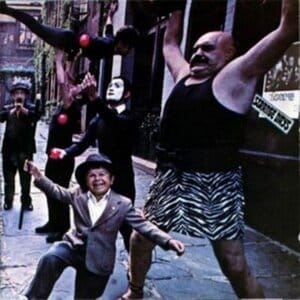
20. The Doors, 'Strange Days' (1967)
The Doors' second album, released just over eight months after their debut, follows a similar pattern: a few acidic pop songs, occasional blues influences, an epic closing track. But the release of the Beatles' landmark "Sgt. Pepper's Lonely Hearts Club Band" between the two records inspired the Doors to experiment with noise on "Strange Days." The result is their most psychedelic album, a playground of sounds wrapped in the moment of 1967.
To be continued shortly