
The Golden Age of HiFi Systems: JBL L100, Klipschhorn, and the Music of the 60s and 70s
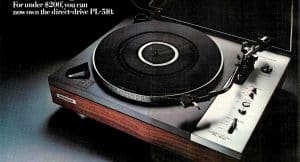
The 60s and 70s are considered the golden age of HiFi technology. It was a time when music was not just consumed but celebrated. Two speaker icons significantly shaped this era: the JBL L100 and the Klipschhorn. These technical masterpieces were accompanied by a soundtrack that captured the spirit of the time.

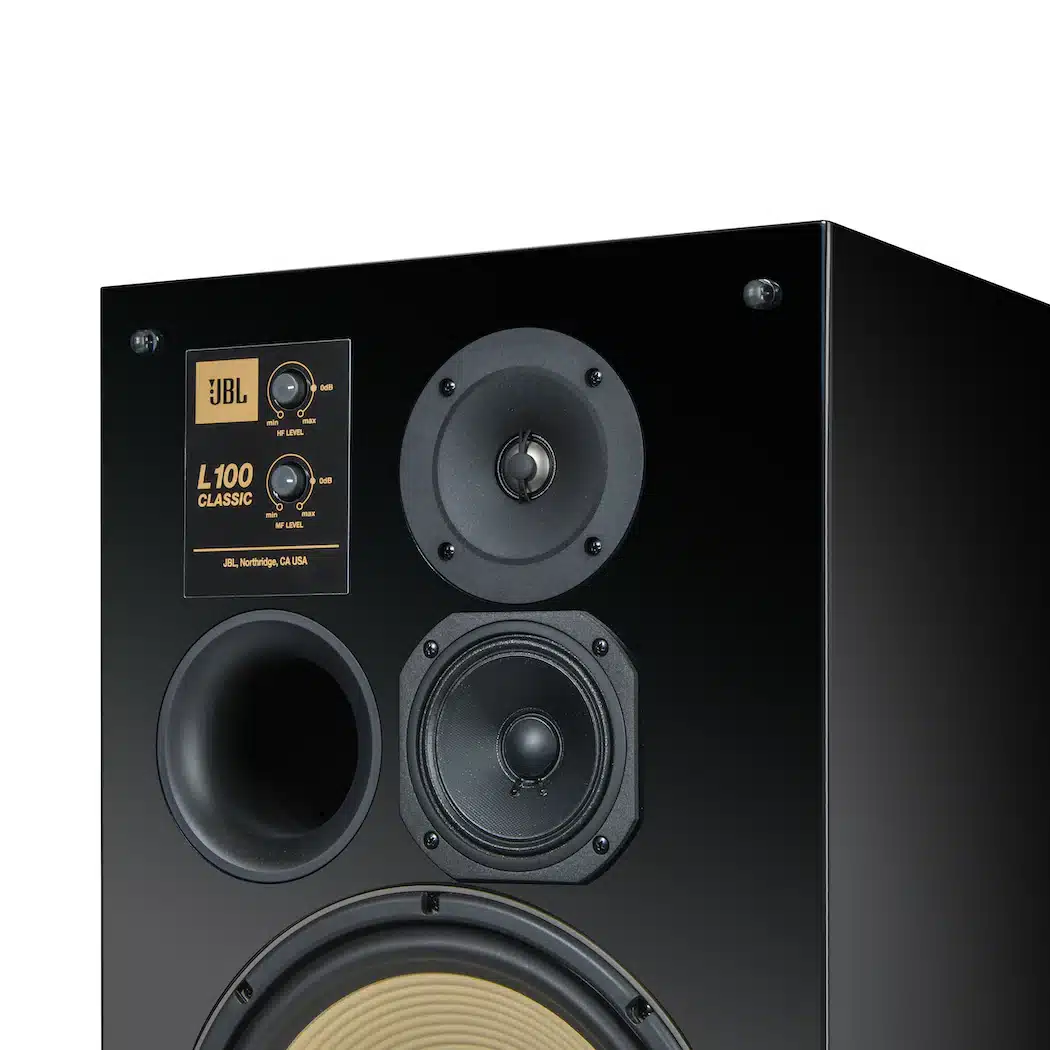
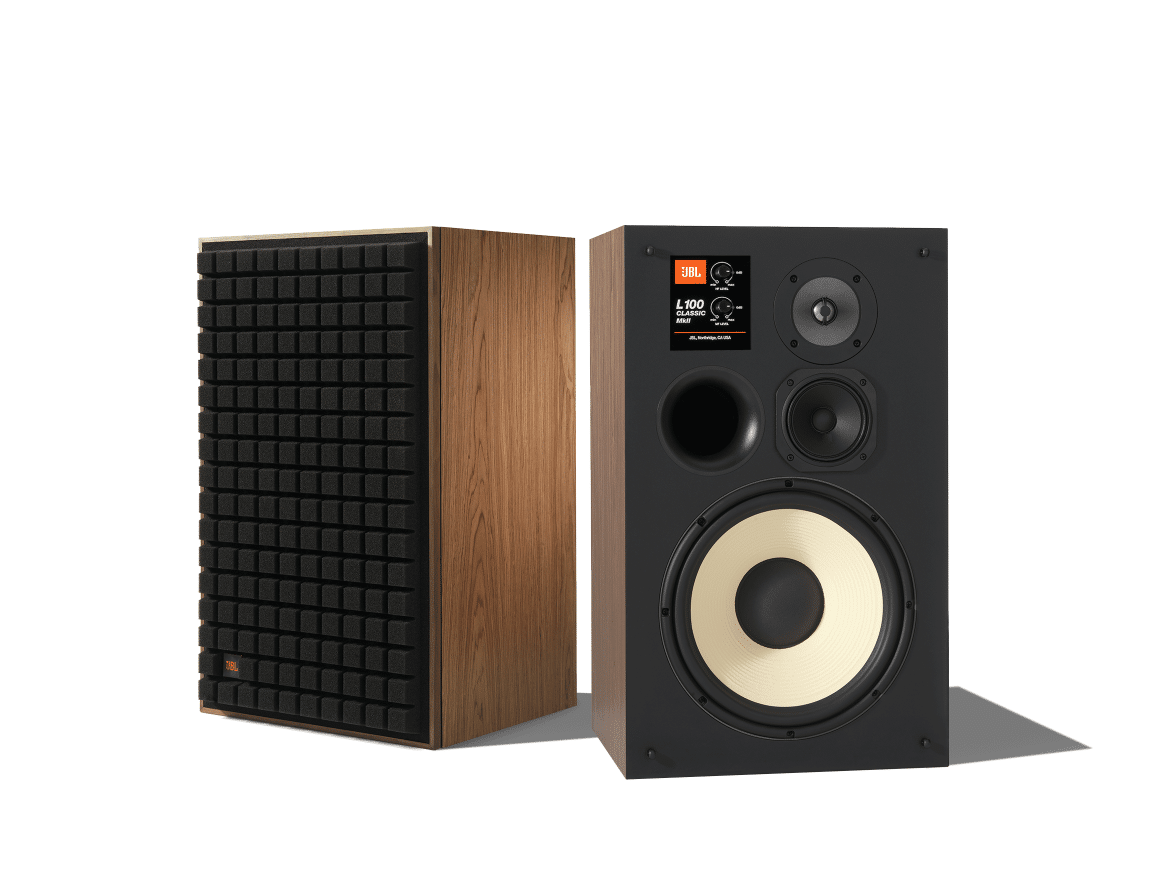
The JBL L100 first appeared in the late 60s and quickly became the most popular speaker among rock and pop enthusiasts. Originally developed as a studio monitor, it became a symbol of HiFi culture in its consumer version. With its distinctive design – especially the colorful foam grille – it was not only a technical highlight but also a visual one.
Technical strengths:
- Powerful bass: Perfect for rock music and funk.
- Clear midrangeIdeal for the voices of singers like Janis Joplin or Freddie Mercury.
- Robust designThe JBL L100 was suitable for both demanding listening rooms and parties.
Music that sounded perfect on it:
- Rock classicsThe Doors, Led Zeppelin, The Rolling Stones.
- Funk and soulJames Brown, Aretha Franklin, the 60s and 70s are considered the golden era of HiFi technology. It was a time when music was not just consumed, but truly celebrated. Two speaker icons defined this era: the JBL L100 and the Klipschorn. These technical masterpieces were accompanied by a soundtrack that captured the spirit of the time. Stevie Wonder.
- Psychedelic soundsPink Floyd's 'The Dark Side of the Moon' sounded particularly atmospheric on it.
The Klipschorn: A Monument of HiFi Design
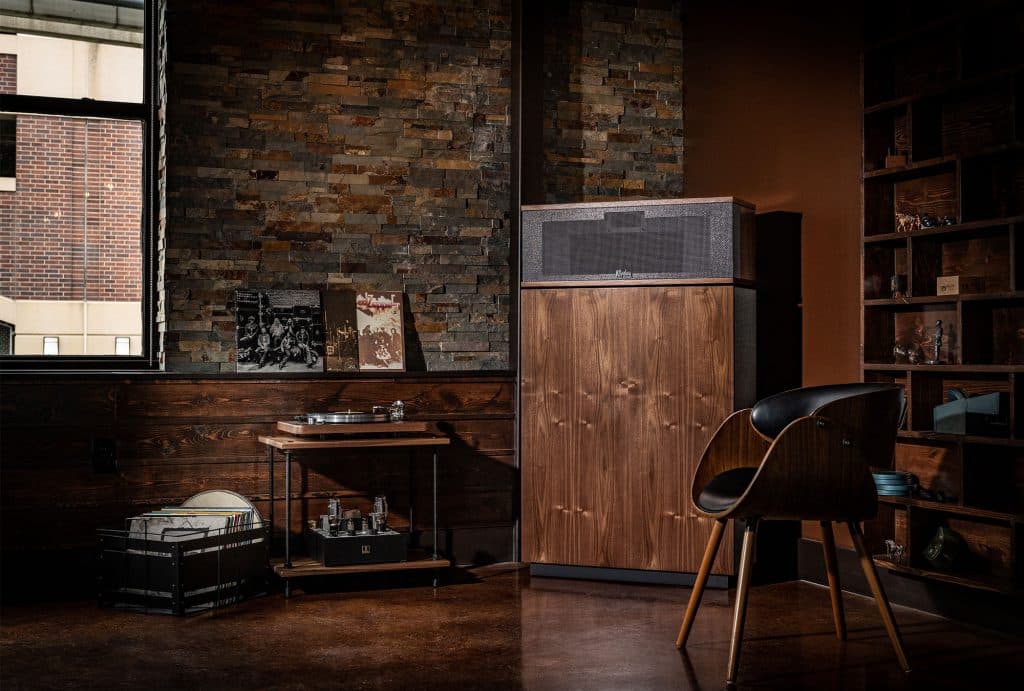
The Klipschorn is a true giant in HiFi history. Developed by Paul W. Klipsch in 1946, this speaker achieved cult status in the 60s and 70s. Its corner horn design allowed for efficient bass reproduction that was unattainable for many other speakers of that time. The Klipschorn became the first choice for discerning classical and jazz listeners.
Technical strengths:
- High Efficiency: Required only a small amplifier power for impressive volume.
- Precise Sounds: Perfect for acoustic music.
- Innovative Design: The corner horn used room geometry for optimal bass reproduction.
Music that sounded perfect on it:
- Jazz Legends: Miles Davis, John Coltrane, Dave Brubeck.
- Classical: Beethoven symphonies or the works of Leonard Bernstein.
- Early Pop Music: Simon & Garfunkel and the Beatles also sounded impressive on it.
The Soundtrack of the Era
The 60s and 70s were not only a revolution for HiFi technology but also a golden age of music. Radio stations played hits that are still considered classics today:
- 1960s:
- “Hey Jude” by The Beatles.
- “Paint It Black” by The Rolling Stones.
- “Sittin’ On The Dock of the Bay” by Otis Redding.
- 1970s:
- “Stairway to Heaven” by Led Zeppelin.
- “Bohemian Rhapsody” by Queen.
- “Superstition” by Stevie Wonder.
These songs were not just melodies but a way of life. Through speakers like the JBL L100 or the Klipschorn, they were experienced in a quality that was previously unimaginable.
Vinyl records are back in trend, and many young people are discovering the magic of analog sound.
These speakers are more than just technical devices – they are witnesses of an era when music played a central role in life. Whether rock, jazz, or classical: The sound of this time remains unforgettable, especially when it resonates through such HiFi icons.
Conclusion:The JBL L100 and the Klipschorn are not just speakers but symbols of the passion for music and sound. They have profoundly shaped the way we experience music and remain an important part of HiFi culture to this day.