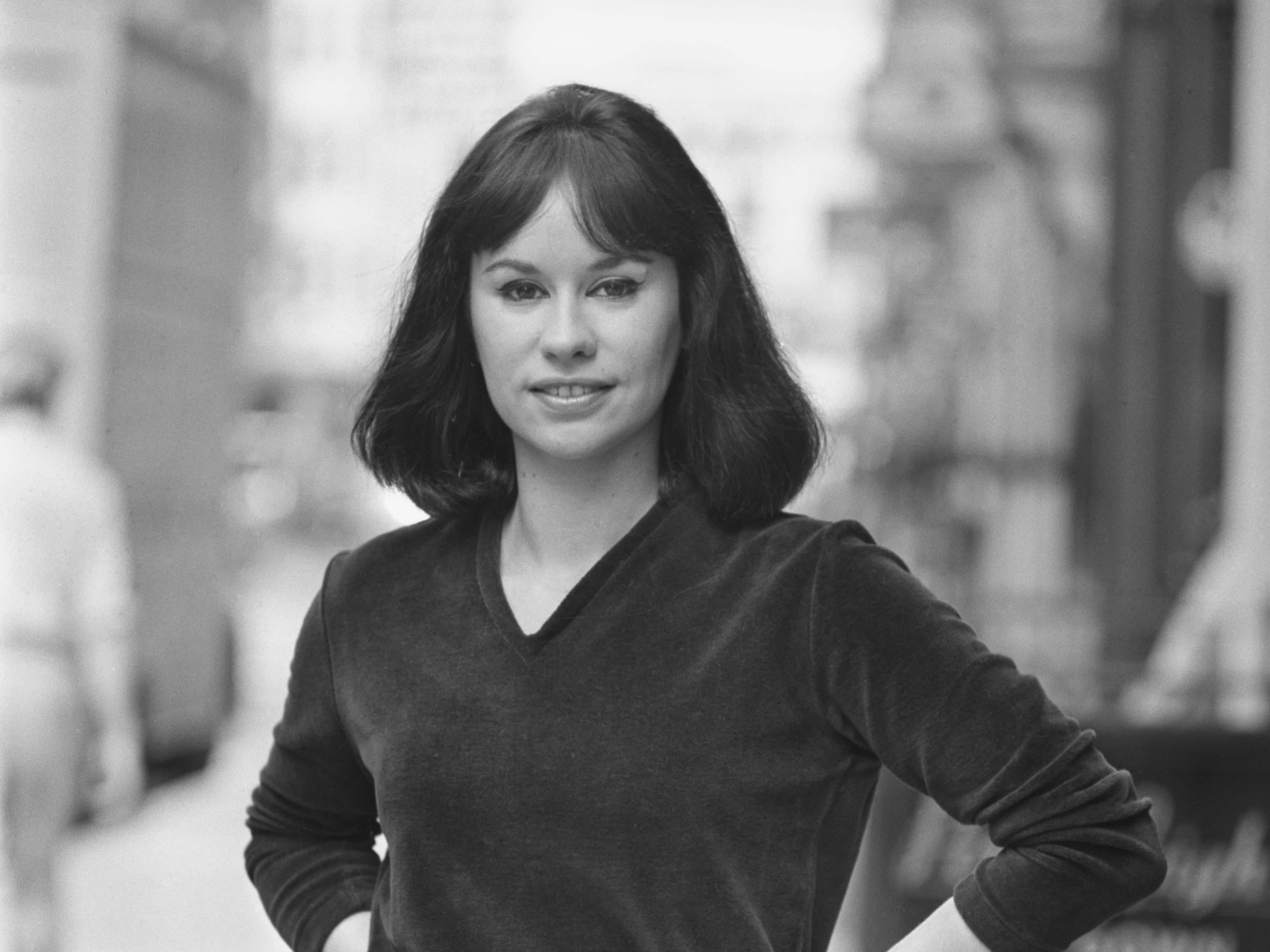

Without the 22-year-old's voice, The Girl From Ipanema would not have become the phenomenon it has become - but abuse, misogyny and lack of compensation have worn her down, writes Martin Chilton
"The Girl from Ipanema" was one of the seminal songs of the 1960s. It sold more than five million copies worldwide, popularizing bossa nova music around the world and making Brazilian singer Astrud Gilberto, who was only 22 when she recorded the track on March 18, 1963, a superstar.
But what was supposed to be an uplifting story - a celebration of a singer making an extraordinary impression in her first professional engagement - became a sad tale of how a shy young woman was exploited, manipulated and left broken by a male-dominated music industry, as she put it, by "wolves posing as sheep."
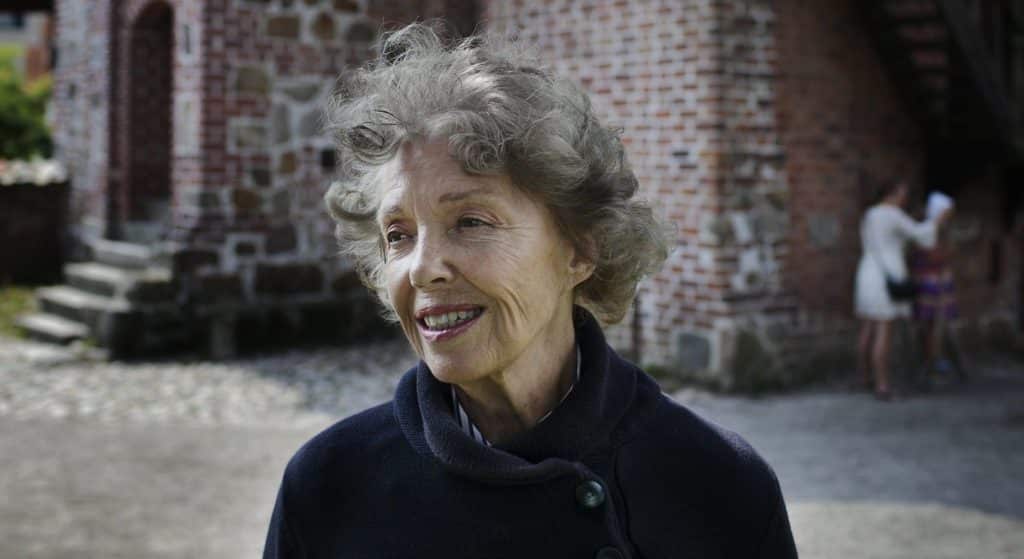
Gilberto, who was born Astrud Evangelina Weinert on March 29, 1940 in Salvador, Bahia, appeared on her debut record purely by chance. She was at A&R Studios in Manhattan to accompany her husband João Gilberto, the celebrated guitarist who helped create bossa nova. Together with the renowned jazz saxophonist Stan Getz and the pianist Antonio Carlos Jobim, he recorded the Verve Records album Getz/Gilberto.
The song “Garota de Ipanema” (“The Girl from Ipanema”) was composed in 1962 by Jobim and Vinícius de Moraes, two middle-aged men who were reveling in their desire for Heloísa Pinheiro, the teenager who used to pass by the bar Veloso where they drank near Ipanema Beach. The Portuguese lyrics, later translated into English by Norman Gimbel, contained the memorable opening lines:
“Tall and tanned and young and beautiful,
The girl from Ipanema goes for a walk.
And when she walks by, everyone she passes by says ‘ahhh’.”
Gimbel - who later wrote the lyrics for the hit song "Killing Me Softly with His Song" and composed the theme tune for the hit television show Happy Days - was present when it was first considered that his English words should be used alongside the Portuguese ones sung by João Gilberto. Acclaimed A&R engineer Phil Ramone supervised the recording in New York and clearly remembered that it was Astrud Gilberto who offered to sing a duet. “Astrud was in the control room when Norm came in with the English lyrics,” Ramone told JazzWax in 2010. "Producer Creed Taylor said he wanted to finish the song immediately and looked around the room. Astrud volunteered and said she could sing in English. Creed said, 'Great.' Astrud wasn't a professional singer, but she was the only victim sitting there that night."
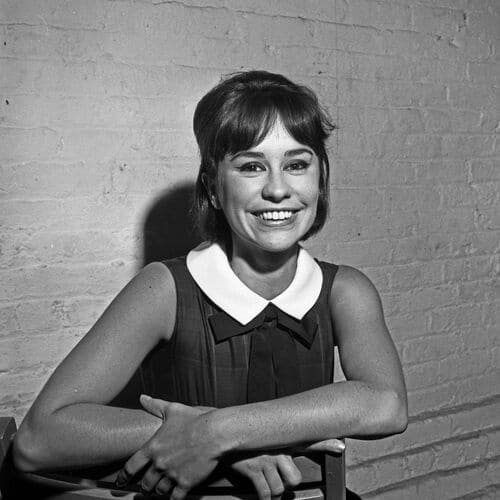
Astrud Gilberto was not a complete beginner. She grew up listening to music (her mother Evangelina Neves Lobo Weinert played several instruments) and sang regularly with her husband in Brazil, including at a concert at the Faculdade de Arquitetura, part of one of Rio de Janeiro's top universities. She later admitted that she was "nervous" when she looked at the lyric sheet for "The Girl from Ipanema" because "that was my professional work." She concluded it was "a bit of fate" - and her beguiling, whispering voice made all the difference in the song's appeal, earning a Grammy for Song of the Year and a nomination for Best Female Vocal Performance.
When the musicians heard the backing track, they knew they had something special on their hands. They were so pleased with Gilberto's contribution that they asked her to sing on another Jobim track, "Corcovado" ("Quiet Nights of Quiet Stars").
Almost immediately, Taylor and Getz, both more than a decade older than Gilberto, began claiming that it was their idea to ask the youngster to sing on the record. Taylor, who signed John Coltrane for Impulse! Records, said he knew "The Girl from Ipanema" was going to be an absolute banger "from the moment Astrud came in with her little voice and sang with that accent."
In a 1964 interview Getz gave to jazz writer Les Tompkins for the British magazine Jazz Professional, he claimed that he knew Gilberto's "innocent and reserved" voice would be a sensation, adding: "She was just a housewife then, and I put her on this record because I wanted 'The Girl from Ipanema' to be sung in English - which João couldn't do." ‘Ipanema’ was a hit and that was a stroke of luck for them.”
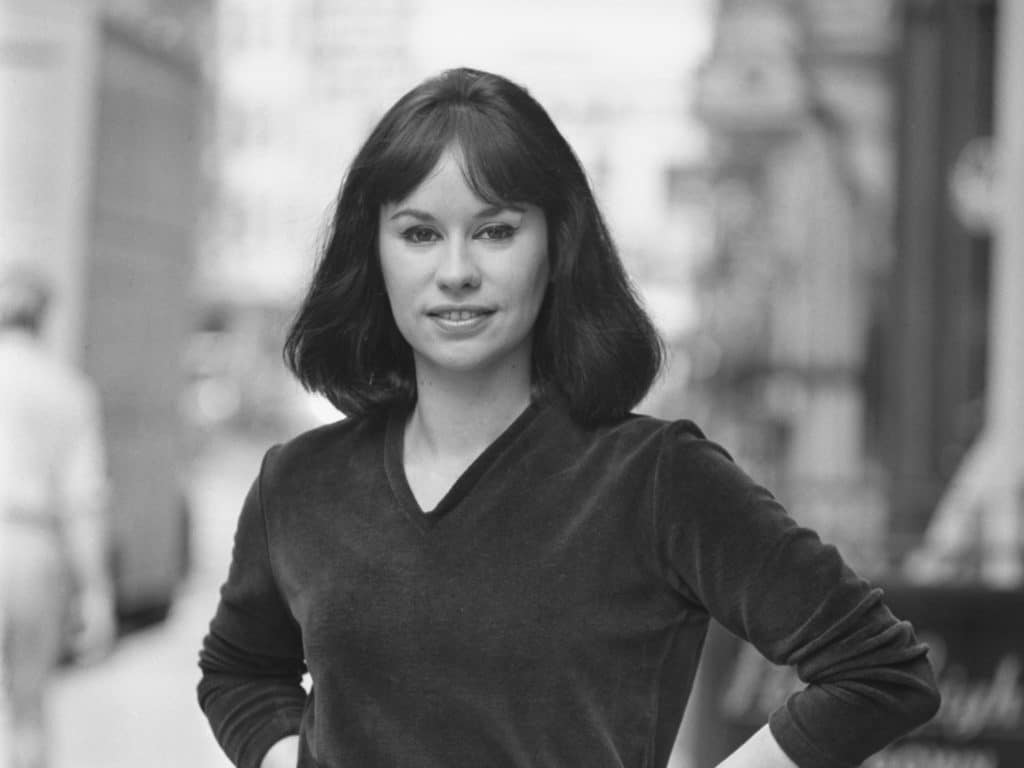
Getz's boastful and condescending "housewives" remark angered the singer. “The funny thing is that after my success there are a lot of stories about Stan Getz or Creed Taylor ‘discovering’ me, although nothing could be further from the truth,” she said in 1982, quoted on her website. "I think it made them seem important because she was the one who had the 'wisdom' to see the potential in my singing. I suppose I should be flattered by the importance they gave to it, but I can't help but be annoyed that they resorted to lying." Her version is supported by her son Marcelo, who told The Independent in an email interview from his home in America: "My father João used to be adamant about the lies that were told about her discovery."
Astrud Gilberto did not earn a single credit for the original Getz/Gilberto vinyl LP pressing. It was an instant hit after it was released in March 1964, staying on the Billboard album charts for 96 weeks and peaking at No. 5. It won four Grammys, including Album of the Year. The most popular track by far was "The Girl from Ipanema," which has now become the second most recorded song in popular music, just behind The Beatles' "Yesterday," and has appeared in dozens of films and television shows, including The Simpsons and The Sopranos.
Taylor, Getz and presumably Verve executives saw the track's potential. In May 1964, they released a shorter, seven-inch single version of the song (with the male vocals removed from the five-minute album version). When Taylor was asked by JazzWax why they focused on Astrud Gilberto's voice for the single, he replied: "Guess?" When the interviewer asked him “Because it would sell more?” Pressed, Taylor replied, "Well, yeah. Look, if you want to get people to spend their money on something, you have to give them a reason to." In his 2019 book GETZ/GILBERTO, Bryan McCann, a professor of Brazilian history at Georgetown University, makes clear the value of their contribution. “It was Astrud Gilberto who made the album a huge success,” he wrote. “Astrud provided the indescribable charm that made the album irresistible.”
She was, to put it bluntly, cheated out of her rightful financial rewards. This was partly due to the ruthlessness of Getz, who even Taylor admitted was “a bad guy.” Getz served time in a Los Angeles prison in 1954 for heroin possession after attempting to hold up a drugstore in Seattle, behavior that prompted the judge to call him "a poor excuse for a man." In the jazz world, Getz had a reputation as a tyrant who was used to treating colleagues ruthlessly. London club owner Ronnie Scott used to tell countless funny stories about Getz's sour personality. Fellow musician Bob Brookmeyer, who worked closely with Getz, once responded to a rumor that Getz had undergone heart surgery by joking, "Did they put one in?"
Getz often boasted that "he made Astrud famous," but it seems he did his best to ensure she never received her fair share of the royalties. Gene Lees, the editor of DownBeat magazine who translated "Corcovado" into English, later claimed that Getz intervened as soon as it was clear that "The Girl from Ipanema" would become a lucrative hit. "Astrud wasn't paid a penny for the session and within days the record was in the charts," he wrote in Singers and the Song II. "At that point, Getz called Creed's office. Betsy, Creed's secretary, answered the call. Creed wasn't in the office. When he returned and she told him that Stan was desperate to talk to him, Creed thought that Stan had to call to see about Astrud getting a share of the royalties. On the contrary, he called, to make sure she didn’t get anything.”
The extent of financial injustice is also evident in Ruy Castro's 2003 book Bossa Nova: The Story of the Brazilian Music That Seduced the World. Castro states that João Gilberto received $23,000 for his work on the album. Getz received the lion's share of the money for the album, estimated by some to be close to a million dollars. Getz earned so much from his success that he immediately purchased a 23-room "Gone With the Wind"-style mansion in Irvington, New York.
As for poor Astrud Gilberto, she was paid a relatively small amount for introducing millions of people to jazz and the rhythms of Brazil. The woman "responsible for the record's international success" (in Castro's words) earned only what the American consortium of musicians paid for a night of session work: $120.
However, her popularity was immediate and convinced her to try to make it as a singer in her own right, although this came at a time of personal turmoil. During a European tour in 1963, her marriage to João collapsed. Although the press in Brazil blamed her for the breakdown of the marriage, it was João who became unfaithful and had an affair with the Brazilian Heloísa Maria Buarque De Hollanda, an art history student who later became a singer named Miúcha.
João and Astrud divorced in 1964, the year the singer reluctantly agreed to tour back in America as part of Getz's band. A decision born out of necessity that she later regretted. "They were very difficult times," she wrote in 2002. "Aside from being in the middle of a breakup and dealing with the responsibilities of being a single mother and a brand new, demanding career, I also had to deal with being alone for the first time in my life, in a foreign country, traveling with a child, in financial difficulties... and of course, unfortunately, totally naive."
It's hard not to feel sympathy for a 24-year-old who, by her own admission, had "very little knowledge of show business" and no guidance. “I was going through a very difficult phase of the divorce,” she added. "It was more or less a job, a matter of survival, just singing to make money. My love and respect for music was a bonus. I was afraid of being on stage and afraid of the whole scene."
Getz continued to treat her poorly, as he had done to many women in his life. At the time he was married to his second wife, Swedish Monica Silfverskiöld, and his physical abuse of her was documented in Donald L. Maggins' biography Stan Getz, a Life in Jazz. Monica later worked for a domestic violence charity. Getz was also a known womanizer. In her 2000 memoir Cybill Disobedience, actress and singer Cybill Shepherd, who had her breakthrough role as Jacy in Peter Bogdanovich's 1971 film The Last Picture Show, recalled his terrible behavior when they collaborated on an album entitled Mad About the Boy in the mid-1970s. "Getz approached me and when I declined, he growled, 'It's your fault if I'm a junkie and a juicehead again,' and ignored me for the rest of the session."
The Brazilian press gleefully reported rumors that Getz was having an affair with Gilberto during a tour she described as "tortuous." He claimed that he guided her so that she always "looked good and got a nice applause," although she believed her docility was due to a culture in which "women's rights were not yet a way of life." She was also objectified in the press - one review said she "evoked every straight man's daydream of an exotic, submissive woman in a bikini."
Marcelo Gilberto, who later became the bassist in her band and served as her road manager, sound engineer and personal assistant during their 15 years on the road together, has vivid memories of being at her side as she joined a press pack in New York for the first time. “I went to probably their first press conference in the United States, in New York, and it was really a Mad Men-like atmosphere, with a whole room full of men,” he said. "I was a little boy at the time and at one point I was talking to her and said 'Mama' and I distinctly remember the murmur that went through the room. I had shattered an illusion. The sex symbol was a mother. I knew I had pulled back the curtain and I felt terrible. I called her 'Astrud' from then on."
Her son, who along with his half-brother Gregory later recorded with his mother, said that lines of people lined up around the block to see his mother sing as a "special guest singer" at Greenwich Village's Cafe Au Go Go with Getz and guitarist Kenny Burrell. “Stan Getz paid her peanuts and that always annoyed her so much,” Marcelo added. Fortunately, her star rose and more offers began to appear, including an appearance in the December 1964 MGM film Get Yourself a College Girl alongside The Animals, The Dave Clark Five and jazz organ great Jimmy Smith.
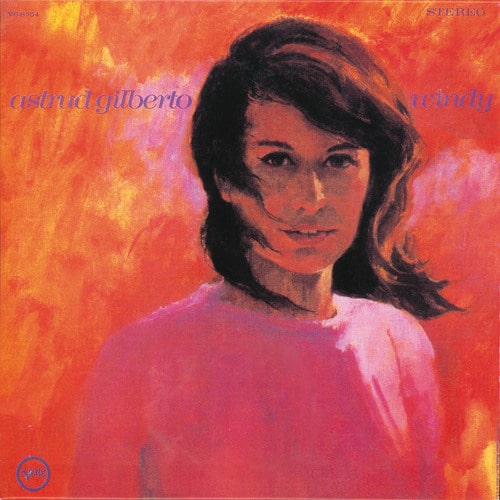
After leaving Getz's band, she got the chance to work on her own albums for Verve Records. From 1965 to 1971, she recorded eight solo albums - The Astrud Gilberto Album (which earned her another Grammy nomination for Best Female Vocal Performance), The Shadow of Your Smile, Look to the Rainbow, Beach Samba, A Certain Smile, a Certain Sadness, Windy, September 17, 1968 and I Haven't Got Anything Better To Do - given the chance to work with luminaries such as Gil Evans and Walter Wanderley (and with Quincy Jones on "Who Needs Forever", the theme song for a Sidney Lumet thriller called The Deadly Affair).
She always maintained that she received no credit or compensation for her production work. Additionally, she often found that her music had been repackaged and sold in new compilation forms; When she appeared on the radio show Fresh Air in 1978, host Terry Gross handed her one of those Best Of albums and Gilberto said, "What is that? I've never seen that before."
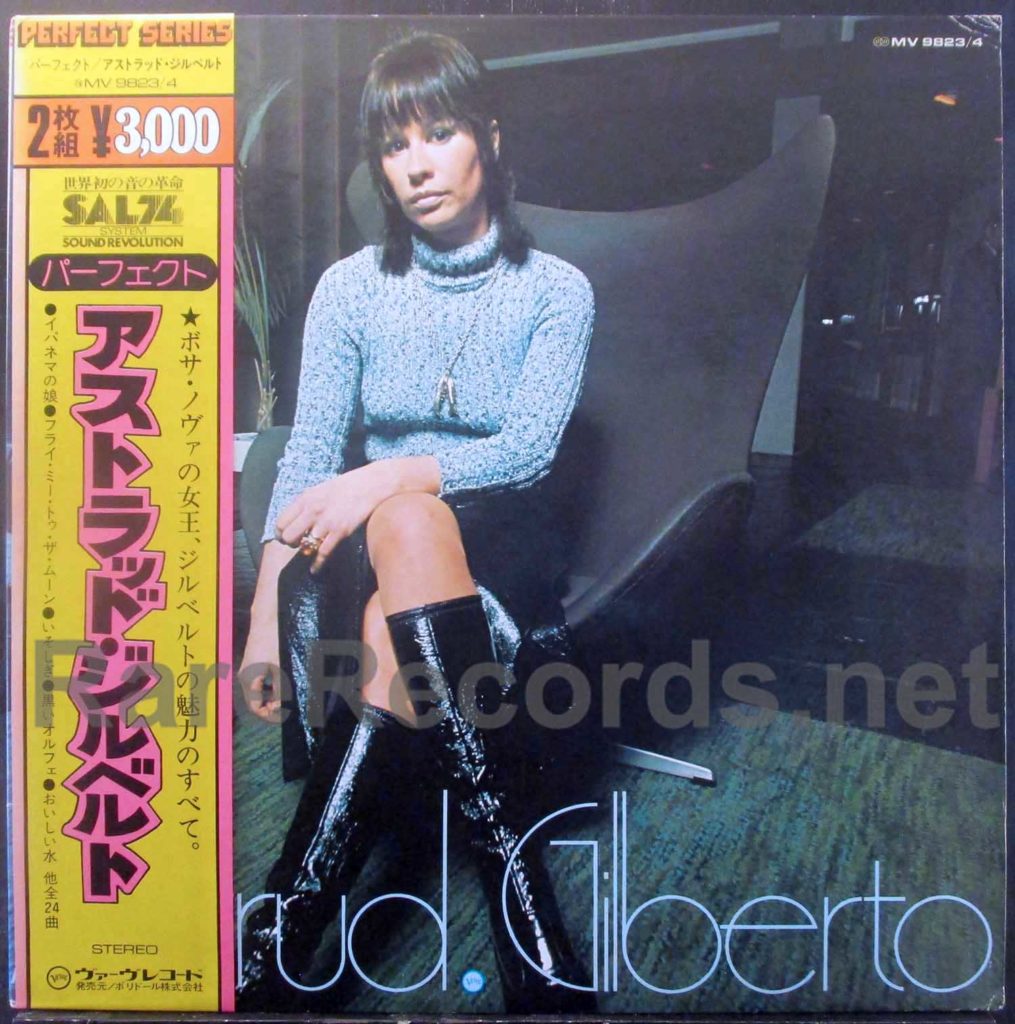
She made the mistake of recording without a contract again when she reunited with Taylor for his own label, CTI Records, when she took over the majority of the production work. “I was inexperienced and didn’t know you were supposed to insist on credits,” she said. Her family also claims that she did not receive full payments for her 1972 album Now and for her 1977 album That Girl from Ipanema. “She re-recorded a disco version of ‘The Girl from Ipanema’ on the latter album, which was the second time she recorded the song and was never paid for it,” Marcelo claims. “She believed in people and was trustworthy,” he added. “They took advantage of their good nature, their trust and their desire to make music.”
Brazil turned its back on her. She achieved fame abroad at a time when this was viewed as a betrayal by the press
Bryan McCann, Professor of Brazilian History
Gilberto stopped recording for 10 years until the album Astrud Gilberto Plus James Last Orchestra was released in 1987. Although she found the bandleader difficult, the record impressed George Michael, who loved her singing. The Wham! The superstar eventually asked her to perform at a charity record for AIDS research. In 1996, the pair recorded a beautiful version of “Desafinado” for their Red Hot + Rio album. Marcelo, who accompanied them on the trip to London, remembers that Michael was "enigmatic" and had a dry sense of humor - and that they were both happy with the result. “She sang in his key – all the music was ready,” he says. "It was way too high a key for her, but she stuck it out and never said anything. She got it down in less than three takes and left."
Gilberto has had other high-profile collaborations, including with French singer Étienne Daho, but her finest partnership was with Chet Baker. Gilberto had grown up with a fondness for the jazz of saxophonist Gerry Mulligan, guitarist Barney Kessel and trumpeter Baker, and she got the opportunity to work with her idol in 1977 when they collaborated on a version of the song "Far Away", for which she wrote the melody. She called the experience “a thrill, a dream come true, the highlight of my career.”
Gilberto, the daughter of language professor Fritz Wilhelm Weinert, was fluent in French, Italian, Spanish, Portuguese, English and Japanese. She was very popular in Asia and even released albums in Japanese. However, in her native Brazil there were forces opposed to bossa nova and she was never given her due, even though she clearly deserved to be celebrated as a cultural trailblazer. "Many established Brazilian musicians never accepted Astrud's success. They portrayed her as lucky rather than talented - in the right place at the right time," Professor McCann said. Marcelo put it more simply: "Brazil turned its back on her. She became famous abroad at a time when it was seen as a betrayal by the press," he said.
She later admitted that she had been “very hurt” by the “harsh criticism and unwarranted sarcasm” she received from Brazilian reporters. She never sang in Brazil again after a concert in 1965 and was not present when "The Girl from Ipanema" was played at the opening ceremony of the 2016 Rio Olympics when supermodel Gisele Bundchen took the stage.
In 2002, the year she was inducted into the International Latin Music Hall of Fame, Gilberto announced that after four decades of performing in clubs and festivals, she would be taking an "indefinite leave" from public performances. Her second marriage, to Nicholas LaSorsa, ended more than four decades ago, and she remained in Philadelphia and lived in seclusion. In retirement she became increasingly interested in philosophy, painting and campaigning against animal cruelty, and insisted she did not miss the "stage fright" and her mistreatment at the hands of record companies.
However, the past few years have reportedly been extremely difficult for Gilberto, who will turn 82 in March 2022. Her experiences in the music business affected her deeply and damaged her trust in people. She now lives in isolation in her apartment overlooking a river, in the company of a cat and visited and called by her children. Her voice is apparently still intact, although her spirit is broken.
Ending up isolated and unknown is a heartbreaking fate for such an exuberant artist, rightly described by her son Marcelo as “once the face and voice of bossa nova for the majority of the planet.” She deserves to be honored as a singer who brought joy to the world with a song that, in her own words, brought “romance and dreamy distraction” to everyone.