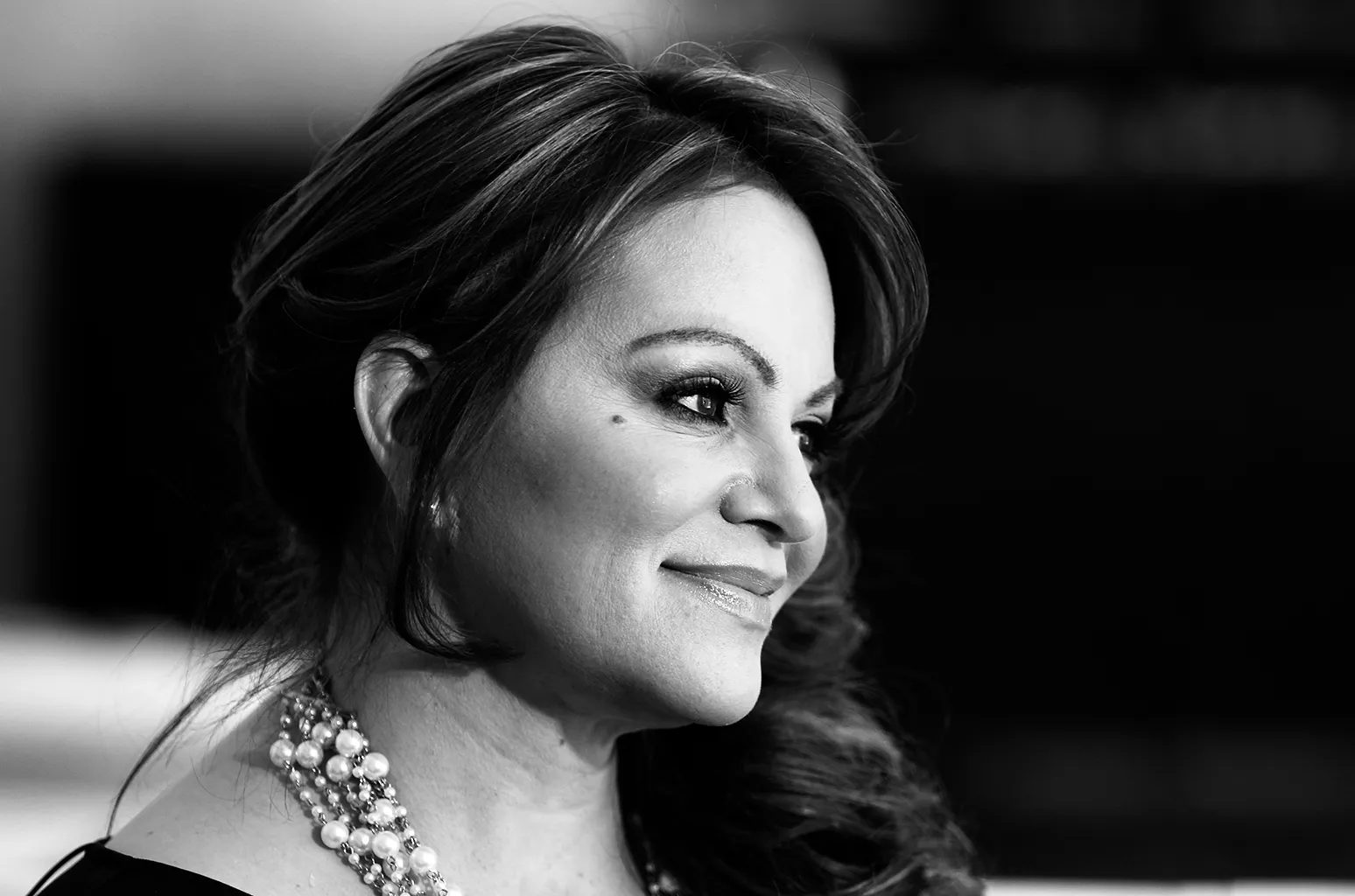

How 'La Diva de la Banda' became the Mexican-American superstar
There are artists who leave only hits - and there are artists who leave behind a whole way of life.Jenni Riverabelongs to the second category.
Born in 1969 in Long Beach, California, as the daughter of Mexican immigrants, she grew up between suburban US and barrio culture - and became themost powerful female voice in the Banda genre, a traditionally male-dominated field of Regional Mexican Music.Variety+3Wikipedia+3Jenni Rivera+3
OnDecember 9, 2012her story ends abruptly: A Learjet 25 crashes shortly after takeoff near Monterrey. All seven people on board die, including Jenni Rivera. The cause of the accident remains unclear.Wikipedia+2Aviation Safety Network+2
Luck and fate are only one song, one flight apart for her.
From teenage mom to 'Diva de la Banda'
Dolores Janney Rivera Saavedra - that’s her full name - will be known asMother at 15 years old, works in her parents' real estate office, studies at the same time, and records demo tapes. In the late 90s, her first albums are released, still far from the mainstream.Wikipedia+1
The stage she performs on is tough:Bandawas back then a men's business, often macho, loud, dominated by men's stories. This is exactly where Jenni Rivera bursts in –
witha big voice, tough humor, and lyrics about women who are no longer just victims but make decisions. Variety later called her “the first true female superstar” of this genre, which has existed for over 100 years.Variety+1
Until her death, she releases13 studio albums, 14 live albums, and over 40 singles– more than20 million records soldmake her the best-selling Banda singer of her generation.Wikipedia+2GROnMY+2
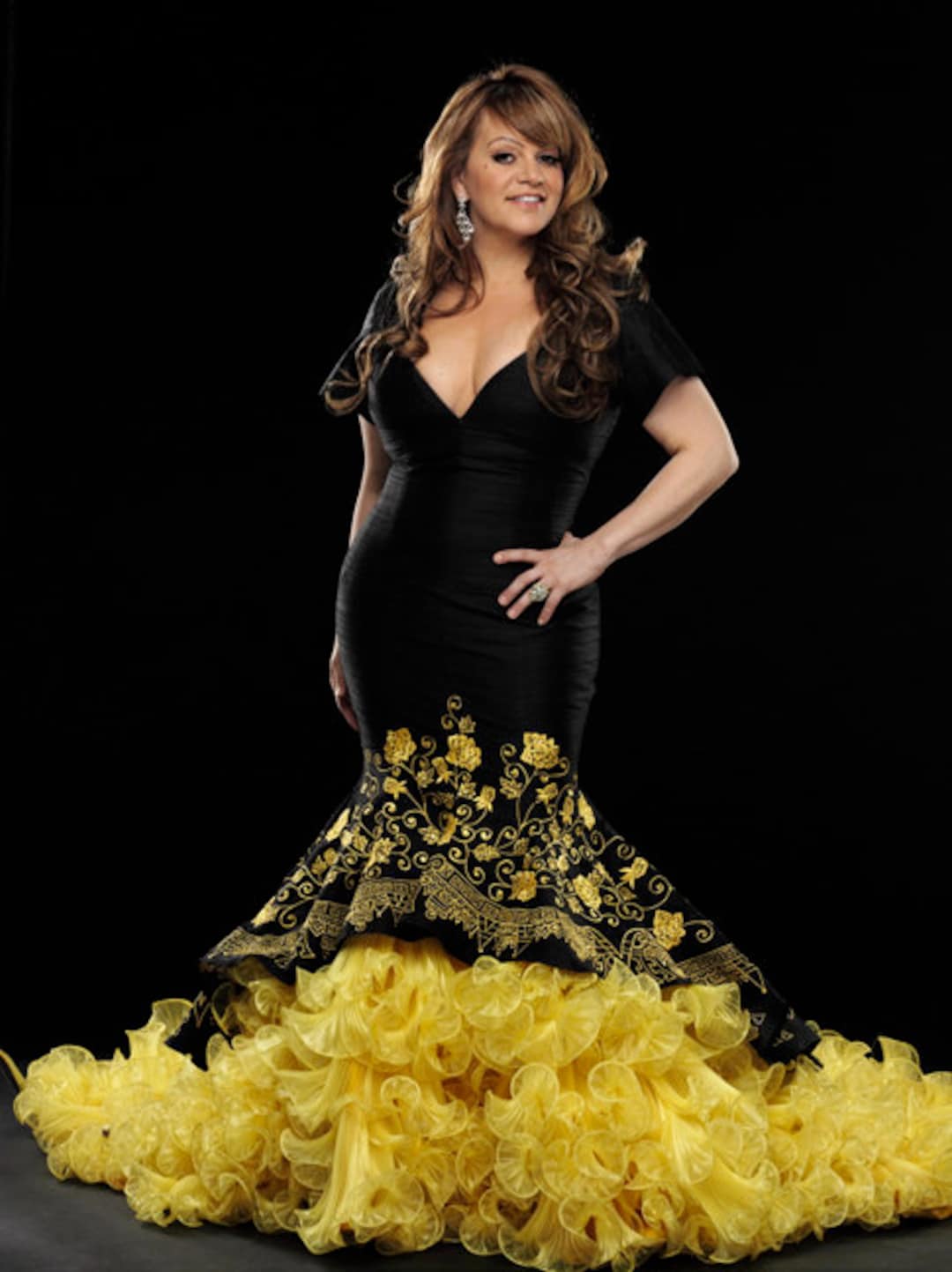
Happiness: success, empowerment, a voice for millions of women
Her nickname'La Diva de la Banda'is more than marketing. On stage, Jenni Rivera stands in glamorous dresses, laughs, swears, cries, drinks with the audience – and sings about topics that were long considered 'too dirty' or 'too private' in the Mexican mainstream:
- toxic relationships
- domestic violence
- infidelity
- divorce, single mothers
Songs like'De Contrabando',Inolvidableor'La Gran Señora'areBanda feminism in XXL sound: brass instruments, tuba, danceable polka grooves – and above that a woman who doesn't ask for permission but creates facts.Last.fm+2Discogs+2
Offstage, Rivera is committed todomestic violence and for disadvantaged families.. TheNational Coalition Against Domestic Violencemakes her a spokesperson, the city of Los Angeles even declares an official'Jenni Rivera Day'.Kiddle+1
Happiness for her never means 'everything is easy,' but:I'm still standing – despite everything.
Fate: scandals, reality TV, and a life in constant spotlight
Her biography reads like an over-the-top telenovela:
Multiple marriages, court cases, family conflicts, accusations, reconciliations – and she makes no secret of it. In reality formats like'I Love Jenni'or 'Jenni Rivera Presents: Chiquis & Raq-C', she shows her life almost unfiltered.Wikipedia+1
It's exactly this openness that makes her vulnerable – but also to theIdentification point for millions of Latina fans, who see themselves in their stories: women who work, raise children, fight against machismo – and still laugh, love, celebrate.
The last flight – and the moment when everything goes silent
On the night ofDecember 8th to 9th, 2012Jenni Rivera performs a concert in theMonterrey Arena. Shortly after, she boards aLearjet 25, which is supposed to take her to Toluca. A few minutes after takeoff, the plane disappears from radar and crashes near Iturbide, Nuevo León, almost vertically. There are no survivors.Medium+3Wikipedia+3Aviation Safety Network+3
The investigations find no clear cause of the accident – technical problems, human error, age of the jet, everything is on the table. As so often happens when pop icons leave too soon, there remains a feeling ofillogical fate:
A woman who sings for years about strength, survival, and second chances – and then is ripped from life in seconds.
What remains? A voice that has made women louder
Today, Jenni Rivera is celebrated asan icon and trailblazer– celebrated in a line with artists likeSelena Quintanilla, who have given a female perspective to the male-dominated Latino genres.The Washington Post+3ABC7 Los Angeles+3GROnMY+3
Media and music historians repeatedly emphasize two things:
- Musicallyshe made Banda and Regional Mexican music more modern, personal, and international.
- Culturallyshe gave women in the barrio a voice – raw, direct, without gloss.ABC7 Los Angeles+2Remezcla+2
Listening tips for mySoundbook – Jenni Rivera on your sound system
For mySoundbook, you can translate her myth directly into sound. A few entry points:
- Album 'La Diva de la Banda'– her business card: classic Banda arrangements, powerful brass, lots of room for her voice. Perfect for testing dynamics and bass control.Spotify+1
- 'De Contrabando'– Bass drum and tuba push forward while Jenni switches between vulnerability and anger. Ideal for testing vocal placement amidst dense arrangements.Last.fm
- Inolvidable– here you can see her ability to carry ballads with Banda power; listen to breath sounds, fine vibrato nuances, reverberations.Last.fm+1
- Live albums– loud audience choirs, open stage sound, real imperfection. A stress test for any system, but also the most honest access to her energy.Wikipedia+1
Luck & Destiny – why Jenni Rivera doesn't fade away
Jenni Rivera ismore than a tragic plane story.
She is luck in high heels – a woman who made it from Long Beach to the biggest arenas.
She is destiny – a life full of breaks that ends way too soon.
And she is a voice that today, when her songs play over cheap phone speakers, big HiFi systems, or festival PA, still says the same thing:
“You can fall. You can lose. But you decide how loud you stand up again.”
That's exactly why Jenni Rivera fits perfectly with mySoundbook:Her music is not background – it’s a stress test for heart, speakers, and goosebumps at the same time.