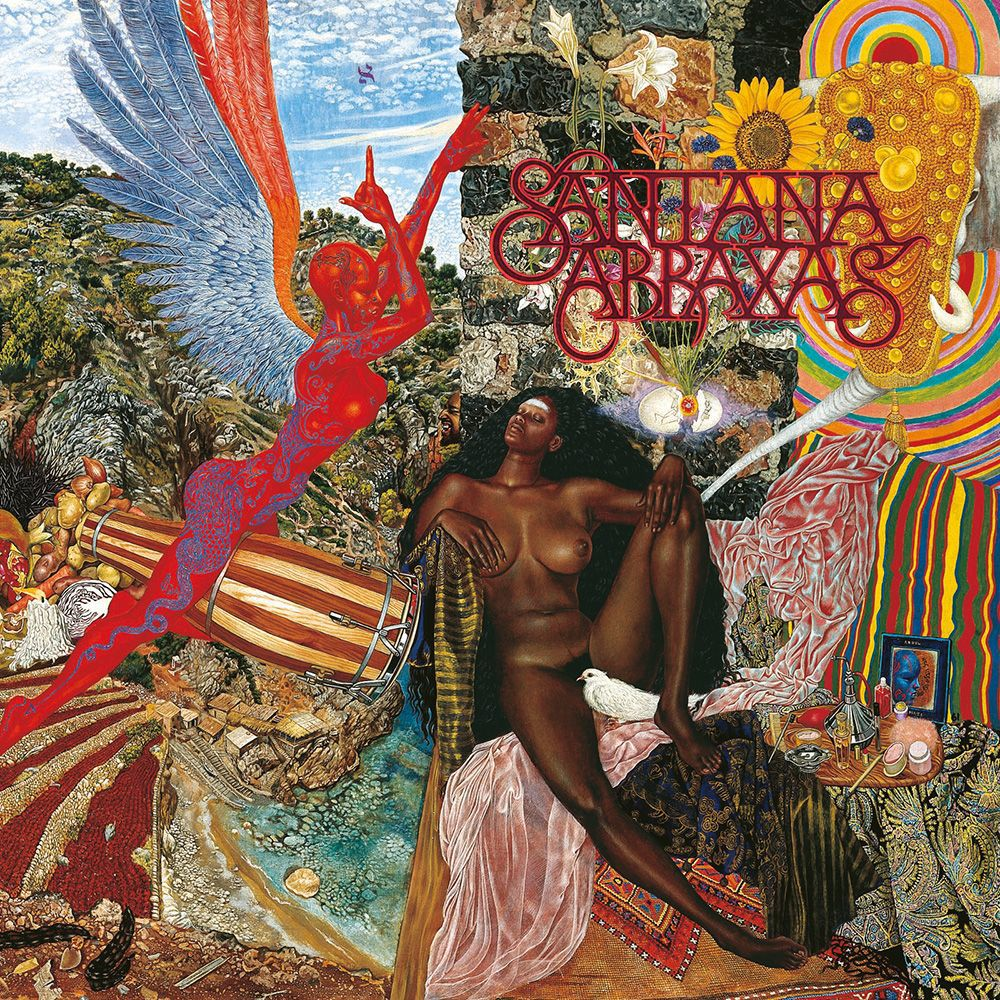
Santana's 'Abraxas'came in 1970 like a heat wave over the rock world - not as an ordinary album, but asa spiritually charged sound ritualLatin rhythms, blues grit, jazz impulses, and psychedelic fog merge into a hypnotic flow that not only crosses genre boundaries butdissolvesWhoeverAbraxaslistens, understands immediately: This band played as if they were tapping into something older and wilder than rock 'n' roll.
Brief overview: WhyAbraxasis a classic
- Release:1970
- Sound:Latin Rock / Blues Rock / Psychedelic Rock with jazz influences
- Essence:Groove, ecstasy, percussion magic, singing guitar lines
- Why important:Abraxasmade Latin rock socially acceptable worldwide – and at the same time dangerously hot.
The sound ofAbraxas: Boundless instead of drawer
When youAbraxaswant to describe, you quickly end up in drawers – and then realize that they are too small. Santana feeds the rock backbeat withAfro-Cuban percussion, tilts the harmonies in jazzy directions and lays over it Carlos Santana's famous guitar tone:a serpentine sustain, which not only holds notes but extends feelings.
The impressive thing: the fusion does not seem constructed, but rather natural – like a single, long breath.Abraxasis not 'genre mix', buttrance with a band setup.
band energy: 'We are not just a rock band'
OnAbraxasSantana plays with the confidence of a group that believes it channels something greater than itself. This is not a pose – you can hear it in every transition, in every percussion dialogue, in every guitar that rathertellsthan 'solos'.
And that's exactly why critics had a problem back then: you could hardly classify this album neatly. Many eventually gave up – and simply called it'revelatory'(revealing). That still fits today.
Why the album hit immediately
The influence was immediately noticeable – and not just in rock:
- guitarists suddenly wantedthis singing tone, which is both soft and razor-sharp.
- Drummers noticed: 'One drum set is not enough' –more percussionbecame the new normal.
- Bands understood: you can connect worlds without bending yourself – if the groove is real.
Abraxaslaughed at genre boundaries – like an album that simply dances past the 'passport control counter'.
Timelessness: chaos and grace in perfect time
The magical thing:Abraxasstill doesn't sound like a museum piece today. It feels more like an invitation to enter a parallel world –a groove universe, where chaos and elegance dance in sync.
If you were to listen to just one Santana album to understand why his name is still a synonym for passion, rhythm, and spiritual rock ecstasy:TakeAbraxas.
Conclusion for mySoundbook
Abraxasis more than a classic – it is aboundary dissolver, an album that does not 'fuse', butmerges. In 1970 it was a revelation. In 2025 it is still a key: to sound colors that are warm like the sun, and to rhythms that move you before you even think.
#Santana #Abraxas album, Carlos #Santana Abraxas 1970, #LatinRock #classic, Santana sound, best Santana album, Latin rock history, #psychedelicLatinRock, Santana #guitar sound, Abraxas review in German