
The Gibson brand – change from guitar to consumer electronics
Harvard graduate Henry Juszkiewicz bought Gibson for five million dollars 32 years ago and saved it from ruin. In the beginning he did a lot of things right, set up the custom shop and relied on old values. He had Gibson acoustic guitars built in Montana and raised the quality back to its old level.
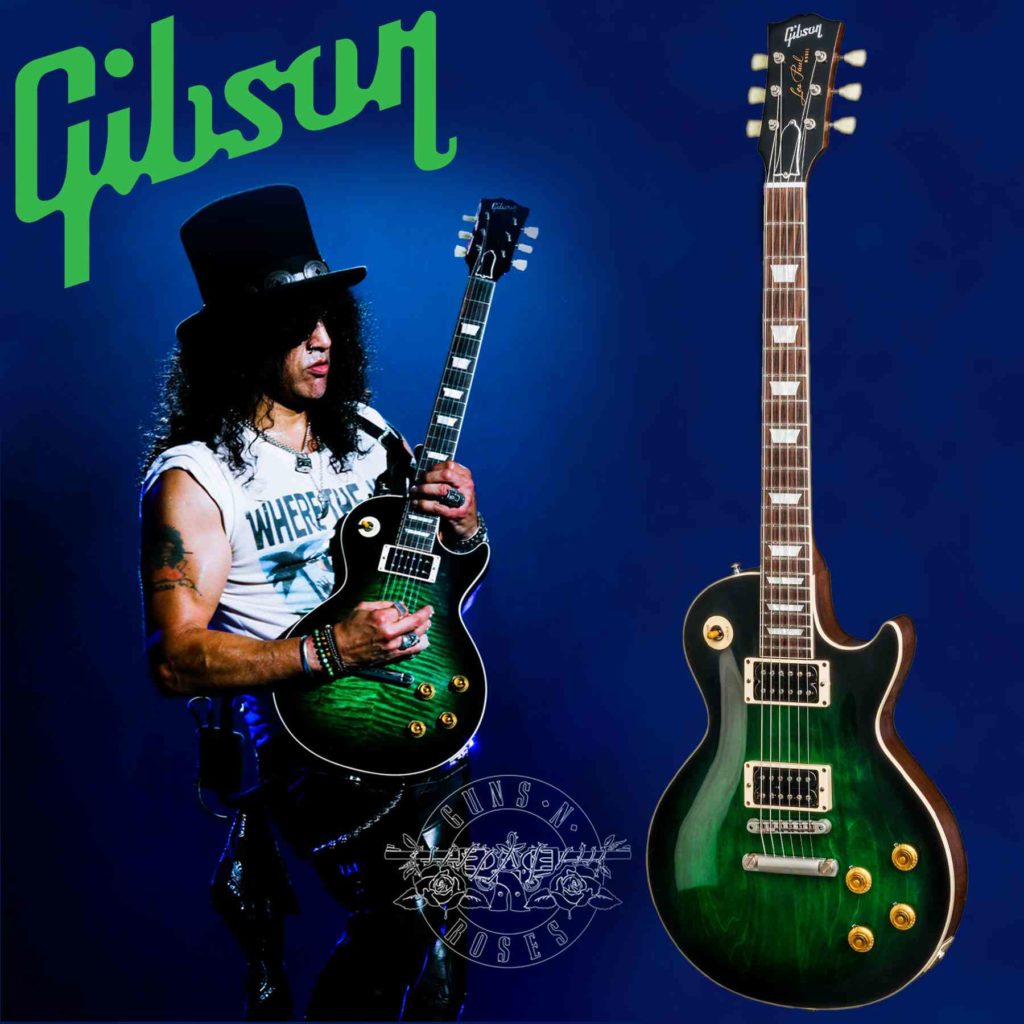
Slash and Gibson
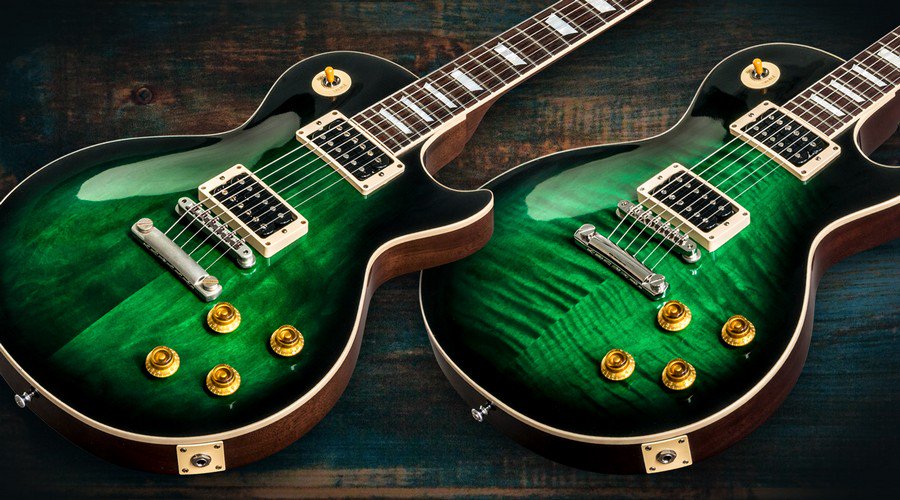
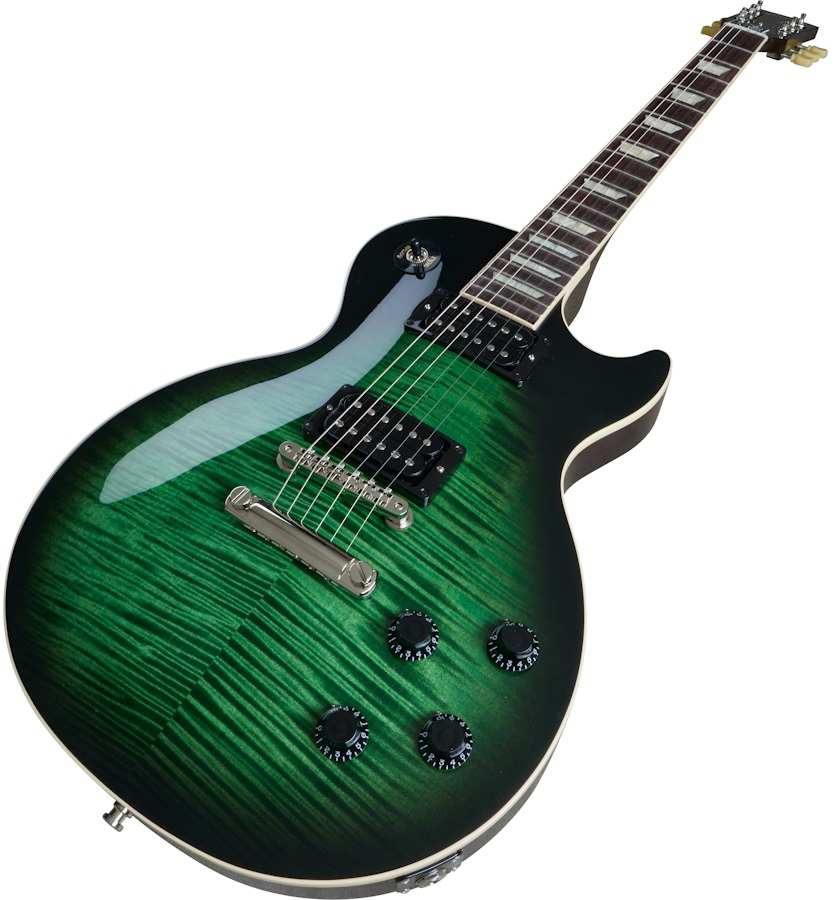
When Slash became the new guitar hero at the end of the 80s, Gibson benefited incredibly and the Les Paul was pushed to unimagined heights. Numbers were sold like never before. Vintage models from Gibson and Fender began their triumphal march and their prices rose immeasurably. Gibson responded with replicas from the custom shop that were as true to the original as possible and the prices were driven up even further.
But Juszkiewicz and his partner Dave Berryman have artificially inflated the company with its core brands Gibson and Epiphone over the past few decades.
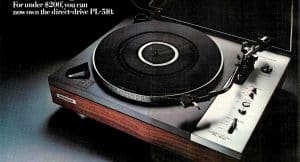
Brands such as Steinberger, Valley Arts Guitar, Kramer, Tobias, Dobro, Maestro, Slingerland, Wurlitzer, KRK and Baldwin were acquired. In recent years there has been a change from the Guitar Corporation to an Electronic Company. What do brands like Onkyo, Teac, Tascam and Philips' entertainment division with headphones, speakers and DJ equipment have to do with a guitar company?
Of course, Henry J. also made glaring mistakes in the guitar sector - when he tried to impose auto-tuners with all his might, when he created models that no one wanted. When he put huge amounts of money into digital guitars that no one wanted.
distribution
Years ago he also broke with his well-functioning sales companies and set up direct sales. He drastically reduced the number of dealers. He made limited contracts with purchase obligations and was one of the first to sell his instruments on Amazon (with moderate success). His standard models became increasingly cheaper (well under €1,000). This made it direct competition to its own brand, Epiphone. The quality of these Gibson instruments was not what you would expect from such a brand. So rumors arose again and again that these instruments were not made in the USA. In addition, the unpopular 2015 instruments with the auto tuners were thrown onto the market at ridiculous prices. Not all to the benefit of the image.
Debts
But what was even worse was that, in the style of Greece, Henry J. continued to increase his mountain of debt by purchasing more companies. So that he could use the approved loans to pay off other debts.
Just for comparison: Gibson guitars achieved sales of around 300 million dollars at the best time, and his entire company has sales of around 1.3 billion dollars. But no profit. The amount of debt that he would have had to refinance by mid-2018 is approximately half a billion dollars. To make matters worse, all rating agencies had completely downgraded Gibson.
Attempts to rescue the company
The rescue attempts that Gibson had made up to that point seem rather ridiculous: the Gibson factory building in downtown Memphis was sold for 18 million dollars, a Baldwin piano warehouse in Nashville for 8 million, and the Valley Arts building in the same city is also for sale (another 10 million).
The software company Cakewalk was sold. All factories are affected by cuts. The second wave of layoffs was already underway in the Nashville Custom Shop, including another 15 deserving employees. A few months earlier, workers and managers had already been laid off. The financial problem also affected product quality, quality control, service and sales.
insolvency
Now the banks, which carry most of the debt, have pulled the plug. Finally.
There was no other way out than to file for bankruptcy. The current plans call for Gibson to concentrate again on its core business, music instruments, and to divest itself of all other parts of the business. Such as B. the Gibson Innovations division in which Philips, TEAC and others were integrated.
The two CEOs Henry Juszkiewicz - who still owns 35% of the company - and Dave Berryman are said to be available as consultants during the transition period. Afterwards, at the urging of the banks, they will leave the company (macabre: with a hefty severance payment). Another $135 million is needed for the renovation, which will be made available by the banks. Many of the old lenders will come away empty-handed. Many creditors such as wood suppliers, manufacturers in Asia, e.g. B. who built Epiphone guitars, suppliers of strings and pickups will be stuck with their bills for the time being. If at all, they will only be compensated after consolidation.
Some will ask themselves why the company or the Gibson shareholding was not simply sold? There are enough interested parties. The answer: Because it doesn't make sense. Juszkiewicz sold the trademark rights, patents and even the factories in Nashville to banks quite early on, when he was in financial trouble, and then leased them back. This means a buyer would only purchase a small portion but would have to assume the debt.
The guitar is dead - the guitar is alive
The constant negative reports from Nashville have led to the worldwide press talking about the demise of the electric guitar. But that's not right. The industry is alive, the guitar is alive, and the big players like Fender and the US chain of stores Guitar Center have to consolidate. Sure: The old guitar heroes like Eric Clapton, Jimmy Page, Jeff Beck, Jimi Hendrix, Angus Young and Eddie van Halen are no longer the role models of the new generation. But that's how it was in the '60s, when the heroes of the '50s - Jimmy Smith, Chuck Berry, Elvis, Joe Pass, Kenny Burell - were pushed into the background. Today, Joe Bonamassa, John Mayer, Ed Sheeran and Taylor Swift are the role models. The guitar is not dead, there are still an incredible number being made and sold, and that's a good thing.
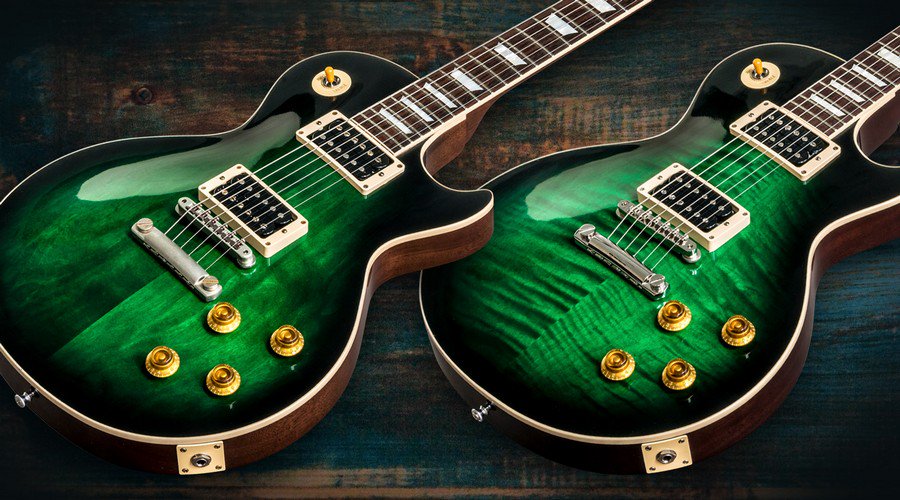
Let's keep our fingers crossed that the insolvency administrators and banks manage to save the Gibson brand. Also in the sense of the other brands. Because only a healthy market with competitive brands is a good one.
Update! Gibson gets loan approval
Gibson announced that the court has made a final decision. The company will be allowed to take out a loan of $135 million. The money is intended to be used for restructuring and to keep daily business running, such as paying employees' wages.
After Gibson was able to repay $20 million of the debt in recent weeks, U.S. Bankruptcy Court Judge Christopher Sontchi approved the plan presented to him by Gibson's lawyers.
But creditors are demanding a new management team, the dissolution of the consumer electronics division and the end of the long-term lease at the former Tower Records building in Hollywood.
“Getting back to the basics” – Gibson at Summer NAMM 2018
June 2018: Gibson CEO Henry Juszkiewicz announces Gibson's new direction in interviews with Guitarist and Reuters. Instead of relying on technical gadgets and new brands as in the past, in the future they want to concentrate more on old classics such as Les Paul or SG. They also want to produce ukuleles again in the future.
"We realized that in the past we had too many models and type names. This was very confusing for guitarists, so we simplified it again and used our classic way of naming."
Gibson is officially looking for a new CEO
This job advertisement appeared on the executive talent portal ExecThread.com at the beginning of August. It was confirmed to US media that this was Henry Juszkiewicz's position. The long-time Gibson CEO himself had already announced in interviews that he would only work as a mentor and advisor for the traditional manufacturer in the long term.
The Gibson company consists of the following subcompanies, all of which are affected by the bankruptcy:
Gibson Brands, Inc.
Baldwin Piano, Inc.
Cakewalk, Inc.
Consolidated Musical Instruments LLC
Gibson Cafe & Gallery
Gibson International Sales
Gibson Pro Audio Corp.
Neat Audio Acquisition Corp.
Wurlitzer Cor.
Gibson Innovations USA Corp
Gibson Holdings Inc.
Gibson Europe B.V.
Here more information:https://www.musicstore.de/de_DE/EUR/Gibson-Slash-Les-Paul-Standard-Limited-Edition-Anaconda-Burst/art-GIT0051806-000?campaign=PSM/kelkoo&ProgramUUID=9uPAqJarL2wAAAFoMfOP7Dye