A small introduction to one of the most popular Andean musical instruments
If you take a mandolin, combine it with a ukulele, and maybe throw in a bit of balalaika, you could very well end up with a charango. So what is a charango? This tiny, hollow-body, multi-string, multi-pitched ax offers sweet sounds reminiscent of a mando, high-string guitar, or uke. It projects surprisingly well for such a small instrument.
The first charangos emerged in the northern Andes of South America in the 18th century. The area includes the present-day countries of Peru, Bolivia and Ecuador as well as northern Chile and the extreme northwestern part of Argentina. These early charangos were the creations of the indigenous Aymara and Quechua peoples, whose pre-contact music included wind and percussion instruments. They were likely influenced by the vihuela, an ancestor of the modern guitar that was brought to the region by Spanish colonists.
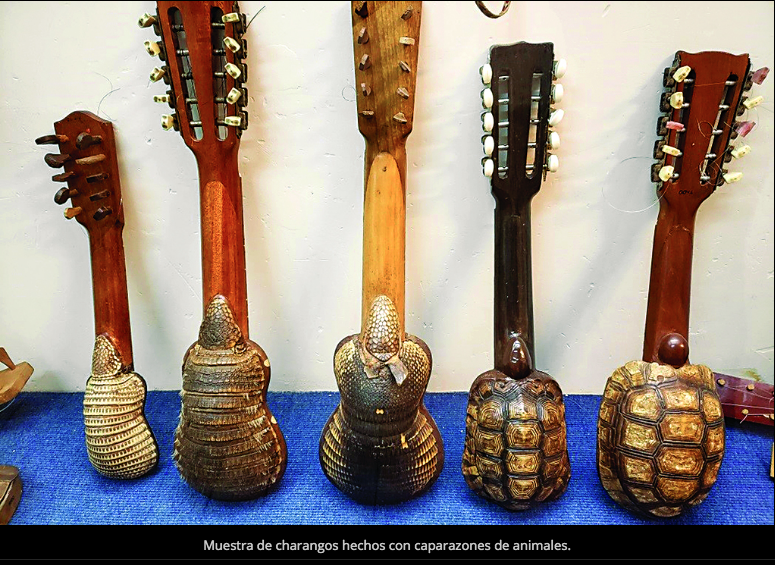
Original charangos consist of the external skeleton of an armadillo
Original charangos had a resonator (the back of the instrument that reflects the sounds produced by the strings) made from an armadillo shell. This armadillo (armadillo) is also called Tatú, Atatou, Quirquincho, Querú, Cabasu, Piche, Mulita, Toche, or Mataca. These are names that are sometimes applied to the instrument. However, today's instruments have a wooden resonator that can be either flat or curved. That sounds better and also protects the poor armadillos. Earlier charangos also featured a one-piece carved neck, and bowl-bottomed charango soundboards (the top of the instrument) are generally made of spruce or cedar. Although you can of course also use other woods. While the hollow-body shape of the charango is the most common, there are solid-body electric charangos that resemble (and tend to sound like) miniature electric guitars.
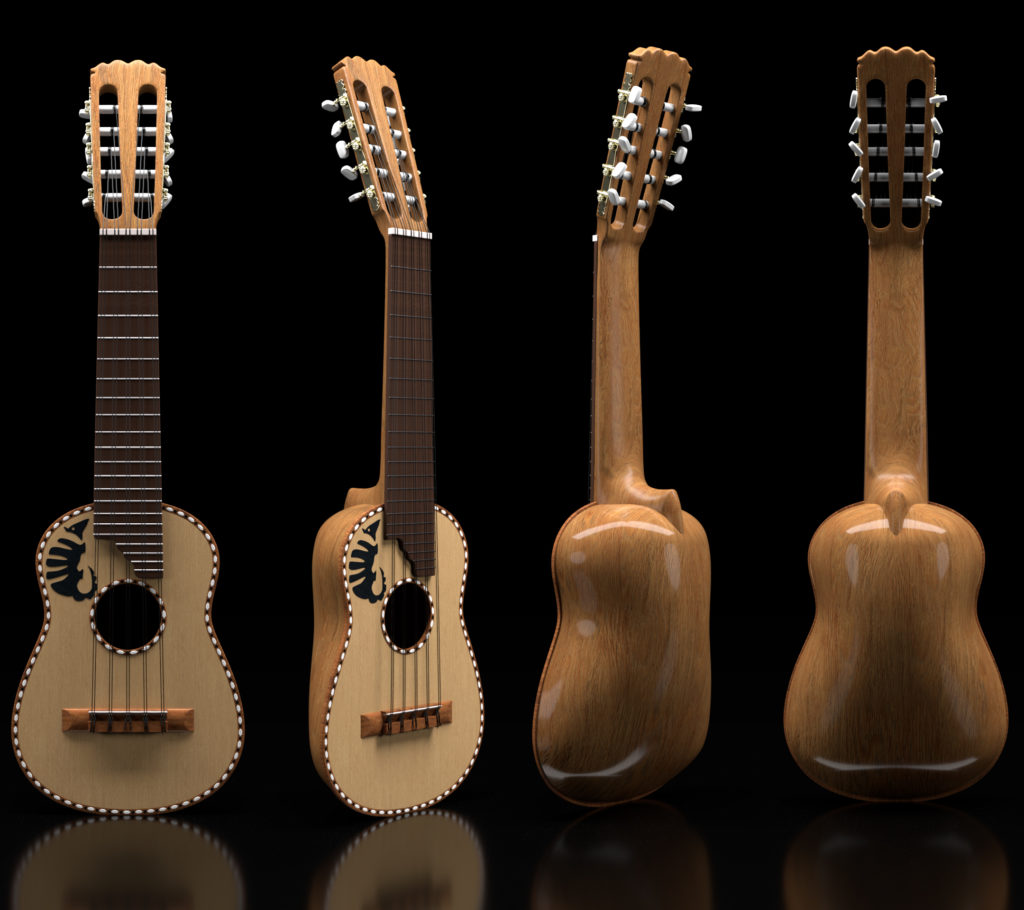
The Quéchua and Aimara rural populations in Peru and Bolivia prefer the charango with a flat wooden resonator and metal strings. Players from northern Argentina and the Lake Titicaca region prefer the armadillo charangos, also with metal strings. This version of the charango is also used in urban areas, although the strings are usually made of nylon, giving it a deeper and clearer bass sound.
Buy your handmade charango here:https://andeannation.com/charango/
For several interesting instruments, click here:https://mysoundbook.eu/News/instrumente-News/