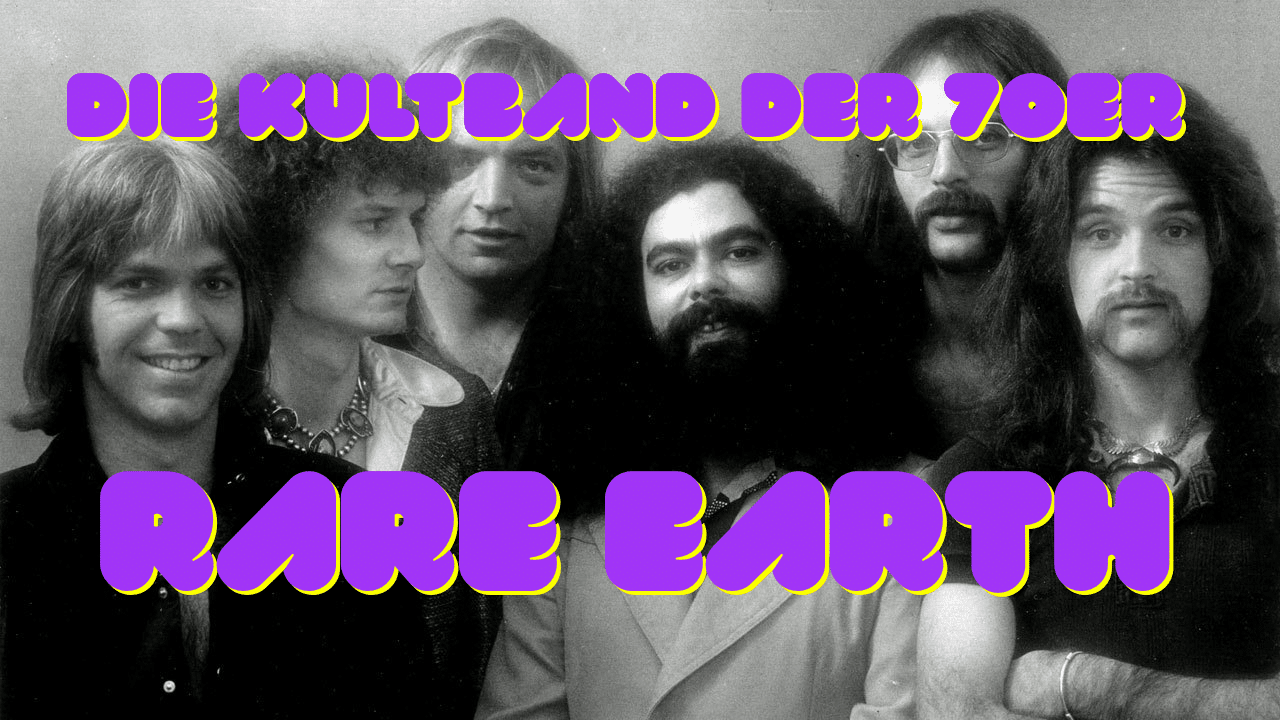

In the broadest sense, it wasRare Eartha band that never really conquered the mainstream but still left a lasting impression in music history. They are a fascinating example of a band that, while not achieving the same fame as their contemporaries in the 70s and 80s, remains aPROgressive Rock-scene still regarded asInsider tipis. In this short article, we'll take a closer look at the history ofRare Earth, their milestones, their best albums, and their members. And most importantly, why the band still remains in the memory of many music lovers.
The emergence of Rare Earth:
The bandRare Earthwas formed in 1961 inDetroit, Michigan, founded, but it wasn't the classic band formation associated with an immediate success story. The origins of Rare Earth trace back to the formation of the bandThe Sunlinerslater they changed their name toRare Earth, which marked the beginning of a new chapter.
1970was the year Rare Earth made their breakthrough onMotown Recordsachieved. This was remarkable at the time, as Motown was traditionally known more for its Soul and R&B artists.Rare Earthbrought a fresh breeze to the label with their mix of rock, blues, and jazz. They were one of the first rock bands signed to Motown – a decision that became legendary for both the band and the label.
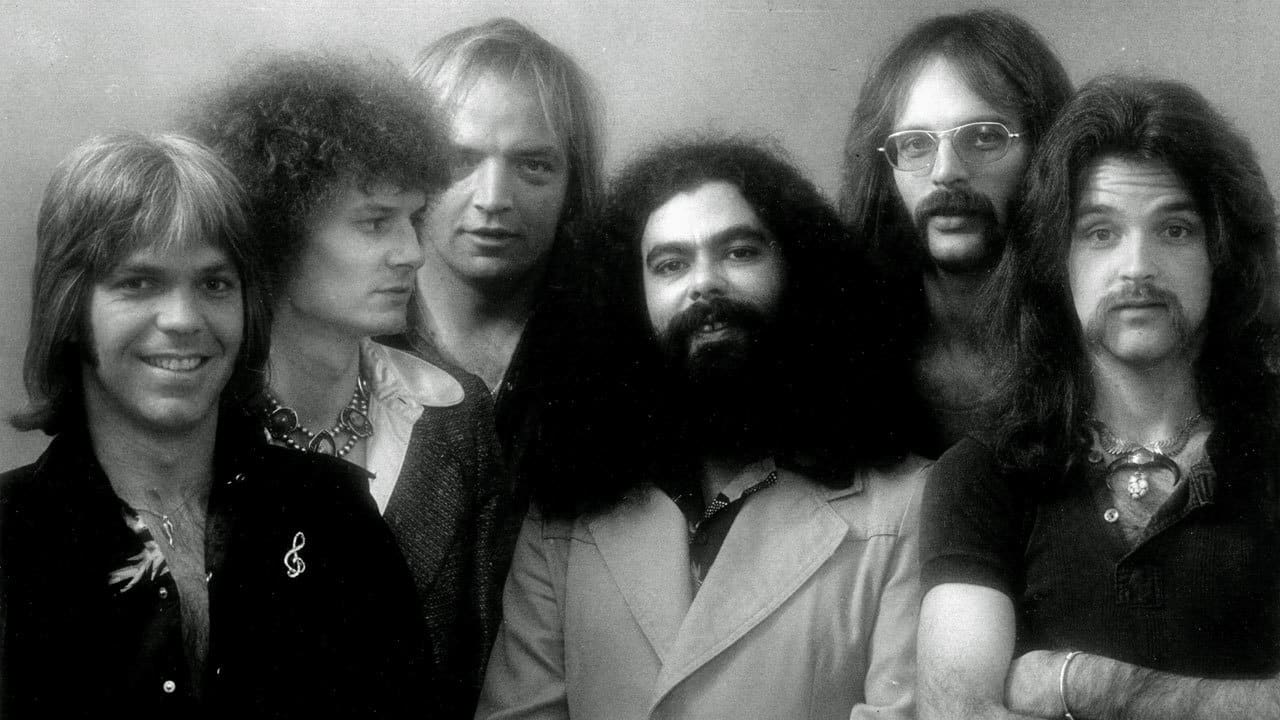
The best albums and record recommendations:
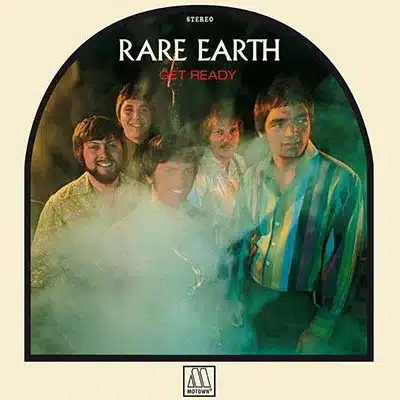
1. “Rare Earth” (1969):
The self-titled debut album brought the first major wave of recognition. It was especially known for the song“Get Ready”known, a long, epic rock suite that became one of the band's most famous and beloved compositions. The band combined progressive rock with soul and rhythm and blues in this track, which was a completely new sound for many at the time.
2. “Ecology” (1970):
Another significant album that emphasized many of their progressive rock elements and further solidified the direction of their music. Here you can find songs like“King of the World”, which established the band as serious musicians in the realm of progressive rock.
3. “Live in Concert” (1971):
The live album from 1971 was regarded by the band as one of their best works. Especially the song“Get Ready”(again) is considered one of the band's standout live performances.
4. “One World” (1971):
A less known album, but no less important.One Worldshowed the band from a more experimental side, with a mix of jazz, rock, and even funky elements. It's a must for fans who want to dive deeper into the band's catalog.
The milestones of the band in the last 50 years:
The years after the early 70s were marked forRare Earthby changing lineups and shifts in musical style. But some key moments stood out:
- 1971:Get Readyreached theTop 10of the US charts and brought Rare Earth their first international breakthrough. This was the peak of the early years when the band conquered the progressive rock scene with their long songs and complex arrangements.
- 1973:Rare Earth leftMotownand signed withGordy Records. This step marked a new era for the band, but their popularity began to decline as musical tastes changed and the progressive rock wave slowly flattened.
- 1980s:The band tried to establish itself with a new sound in the 80s, but was unable to repeat its earlier success.
- 2000s:The band continued to perform sporadically and was especially active in theUS Midwestvery active. Their influence and niche in the progressive rock scene remained, but their main phase was long over.
Members and their fates:
Over the years, the band has gone through many member changes. Here are the important members and their fates chronologically:
- Pete Rivera (vocals, drums):
Pete Rivera was one of the founding members and a key figure in the band. He was an essential part of the distinctive Rare Earth sound with his distinctive vocals and drumming.Pete Rivera left the bandin the late 70s and later became a solo artist. He is still alive today but no longer performs regularly. - Gil Bridges (saxophone, flute):
Gil Bridges was another founding member and became known for his unique use of wind instruments.Gil Bridges died in 2022after a long career in which he significantly shaped Rare Earth's sound. - John Persh (bass, guitar):
John Persh joined the band in the early 70s and was another long-time member. Little is known about his later years, but he remains a defining figure in the band's music. - Mark Olson (guitar):
Mark Olson was a guitarist who recorded some of Rare Earth's most famous albums. He also left the band and went down in music history as one of the creative minds.
Is the band still alive today?
Yes, although Rare Earth never reached the heights of their breakthrough again, there are still sporadic performances. The band performs with a modified lineup, with some former members appearing in various configurations. Especially in theUSA, but also inEurope, there are stilloccasional performances, where the band plays their greatest hits.
Closing words:
AlthoughRare Earthnever gained the recognition from the general public that they might have deserved, they remain in the world ofPROgressive Rockand beyond anindispensable band.. Their albums and songs have had a lasting impact on the music landscape and continue to enjoy many loyal fans. With a mixture ofPROgressive Rock,jazzandsoulremainsRare Eartha fascinating phenomenon in music history that is still revered even after over 50 years.
#RareEarth #PROgressiveRock #RockLegends #70sRock #ClassicRock #GetReady #RareEarthBand
#RockHistory #MusicDocumentary #RockNostalgia #MotownRock #PROgressiveMusic #VinylCommunity
#MusicReview